Archive for the ‘Author’s Blog’ Category

Images from SPLASH! Beachwear 1915

Continuing the series of posts from my new book SPLASH!

From Chapter 11: “Nylon, WWII, James Bond, and the G-String.”

My grandfather, uncle, and mother on the New Jersey coast circa 1915. Men were not allowed to show any flesh beneath a line connecting the armpits.


Images from SPLASH! Women’s Swimming-Lib 1914-Style

Continuing the series of posts from my new book SPLASH!

From Chapter 10: “An Aussie Wrecking Ball Goes Rogue.”
Women’s swimming-lib, 1914-style: The suits were inspired by Annette Kellerman, and there’s not a matron in sight at the start of this open-water race in Sheepshead Bay, off the south end of Brooklyn, New York.


Images from SPLASH! Annette Kellerman

Continuing the series of posts from my new book SPLASH!

From Chapter 10: “An Aussie Wrecking Ball Goes Rogue.”
No one did more than Annette Kellerman to change the social history of swimming. In 1910, the head of Harvard’s Hemenway Gymnasium declared Kellerman the “most beautifully formed woman of modern times.”


Images from SPLASH! Olympics Swimwear 1912

Continuing the series of posts from my new book SPLASH!

From Chapter 9: “The Great Swimming Cover-Up.”
Tipping point: Great Britain’s gold-medalists in the inaugural women’s 4 x 100-meter freestyle relay at the 1912  Olympics are all dressed for the 20th century, while the stern matron behind them reminds that the past lingered on.


Images from SPLASH! Mermaids of Brighton

Continuing the series of posts from my new book SPLASH!

From Chapter 9: “The Great Swimming Cover-Up.”
In this 1829 illustration titled “Mermaids of Brighton,” formidable older women known as dippers introduce female bathers to the wonders of the sea. The bathing machines were horse-drawn.


Images from SPLASH! Gertrude Ederle

Continuing the series of posts from my new book SPLASH!

From Chapter 8: “Climb Every Mountain, Swim Every Sea.”
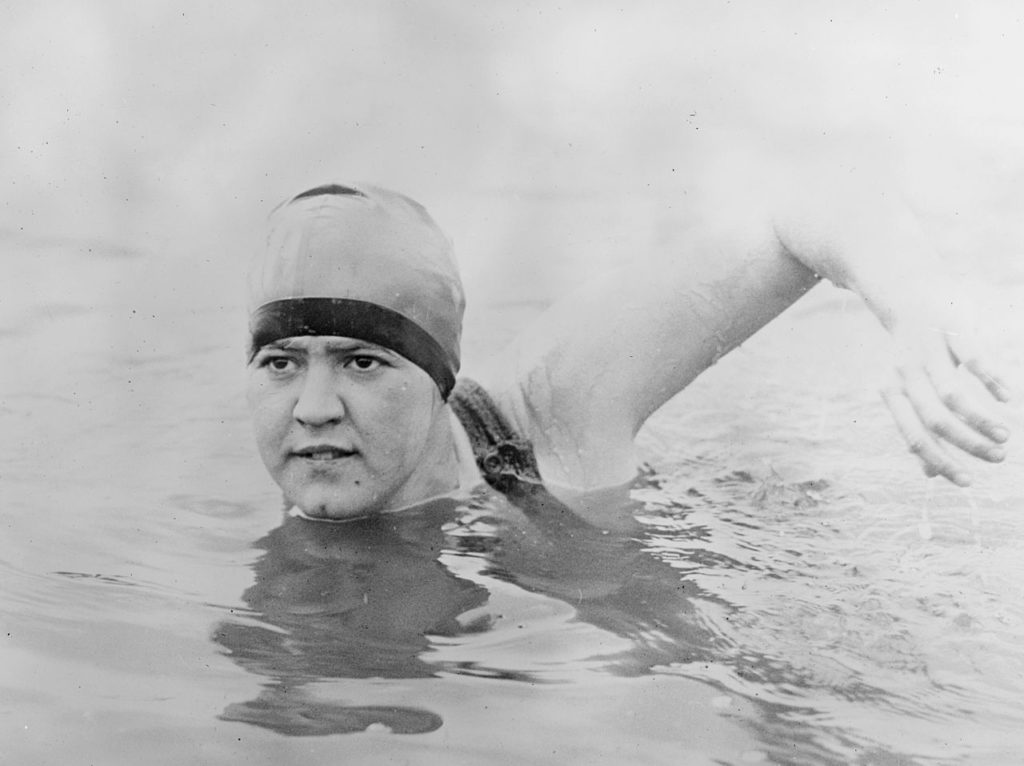
Gertrude Ederle was the first person of either sex to swim the English Channel using the crawl stroke and the first woman to ever successfully cross it. Her 1926 Channel swim shaved almost two hours off the previous record.


Images from SPLASH! Matthew Webb

Continuing the series of posts from my new book SPLASH!

From Chapter 8: “Climb Every Mountain, Swim Every Sea.”
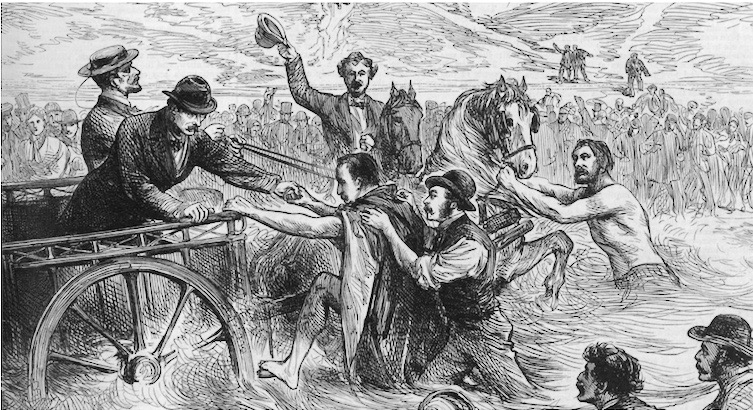
For the ancient Romans, the English Channel was the “horribilem salum,” the terrible swell. In late August 1875, Capt. Matthew Webb became the first person known to swim it. He’s shown here being helped out of the water at Calais, soon to be the most famous man in the world.


Images from SPLASH! Wrigley Ocean Marathon

William Wrigley

Continuing the series of posts from my new book SPLASH!

From Chapter 7, “Diving In for Dollars and Pounds”:

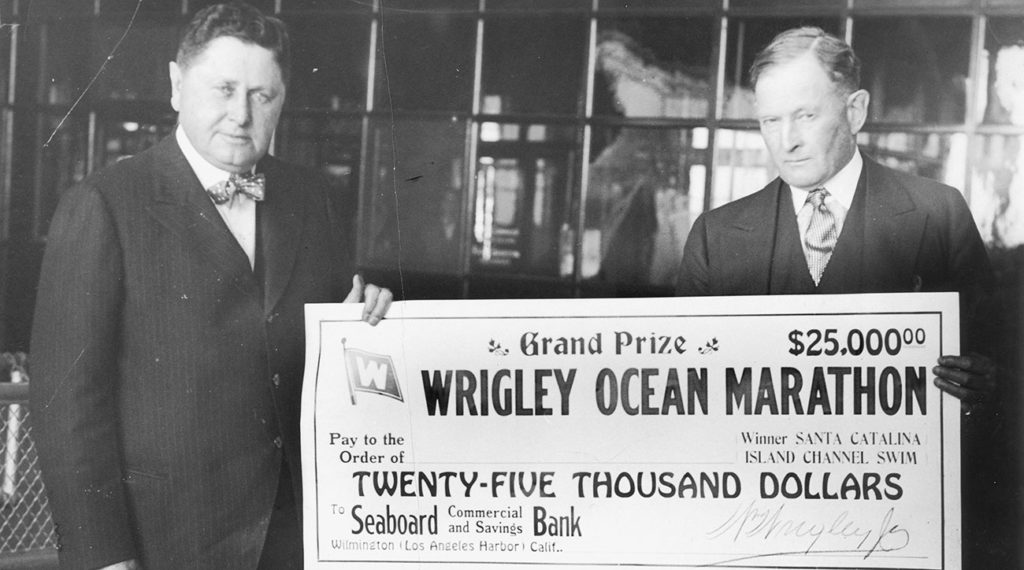
William Wrigley, Jr., at left, with a facsimile of the check that is almost certainly the largest purse in swimming history. In current dollars, winning Wrigley’s 1927 “ocean marathon” from the California mainland to Santa Catalina Island was worth about $360,000. (Credit: The Catalina Island Museum.)


Images from SPLASH! #16

Continuing the series of posts from my new book SPLASH!

From Chapter 7, “Diving In for Dollars and Pounds”:

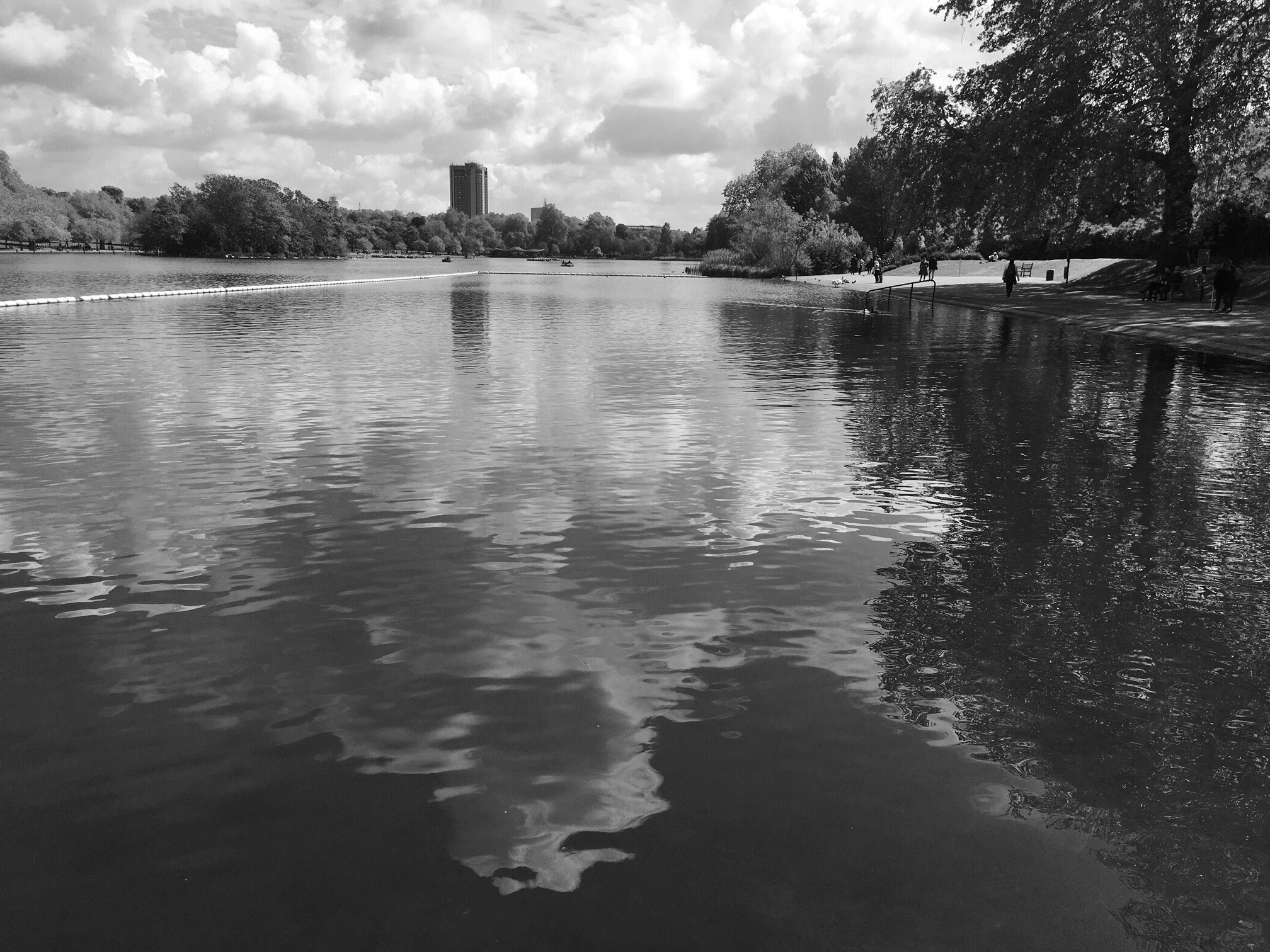
The 4,000-yard-long Serpentine in Hyde Park: venue for some of London’s earliest and most notable purse swim-races, including the first known “back-swimming” race, in 1866. One reporter wrote that it was  likely to be the last race for back-swimming as well.


Images from SPLASH! #15

Continuing the series of posts from my new book SPLASH!

From Chapter 7, “Diving In for Dollars and Pounds”:

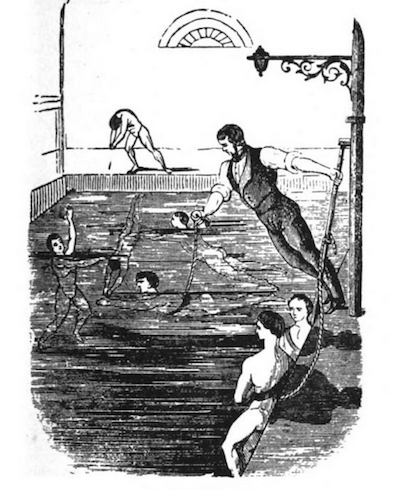
Roping students to teach swimming was common in London by the mid-19th century, but Captain Stevens — the leaning roper here — might have been singular in his claims to success. According to his advertisements, he taught 60,000 people to swim over a 16-year span.


Images from SPLASH! #14

Continuing the series of posts from my new book SPLASH!

From Chapter 6, “A Frog in Every Tub”:

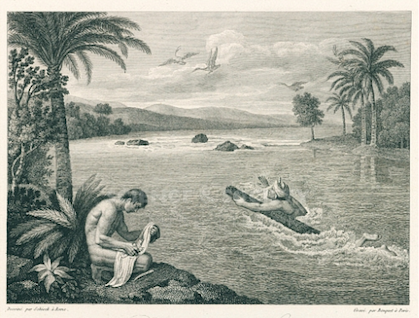
An aquatic mailman of Peru, drawn based on a description by Alexander von Humboldt after his South American travels at the dawn of the 19th century. According to Humboldt, this postman descended the River Chamaya and thence down the Amazon, with the help of a log. He carried letters in his turban to keep them dry.

(Credit: Science Museum Library / Science and Society Picture Library.)


Images from SPLASH! #13

Continuing the series of posts from my new book SPLASH!

From Chapter 6, “A Frog in Every Tub”:

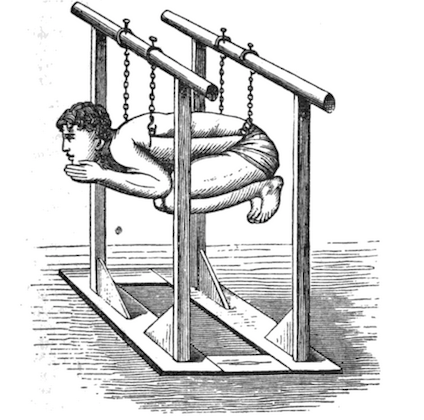
Breaststroke anyone? Harnessed in a German machine from late 1800s, a boy looks particularly frog-like as he gets ready to strike out with arms and legs.


Images from SPLASH! #12

Continuing the series of posts from my new book SPLASH!

From Chapter 5:

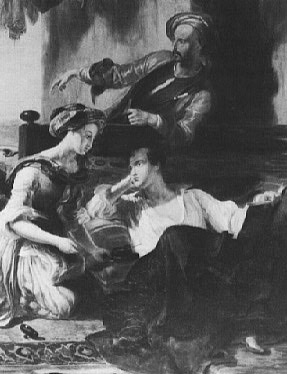
This is the third Founding Father of “Swimming 2.0” — George Gordon, a.k.a. Lord Byron, shown here recovering after swimming the Hellespont in 1810. Both the most famous poet and most famous swimmer of the first half of the 19th century, Byron put the whimsy into waves, the panache into plunges. (The 1831 painting is by Sir William Allan.)

Images from SPLASH! #11

Continuing the series of posts from my new book SPLASH!

From Chapter 5:

This is another of the Founding Fathers of “Swimming 2.0” and by far the least well known. In 1750, Dr. Richard Russell published his wildly popular Dissertation Concerning the Use of Sea Water in Diseases of the Glands, which made salt-water cures all the rage, which led to the rise of seaside English resorts like Brighton, which gave the revival of swimming something it desperately needed: an infrastructure.

Images from SPLASH! #10

Continuing the series of posts from my new book SPLASH!

From Chapter 5:

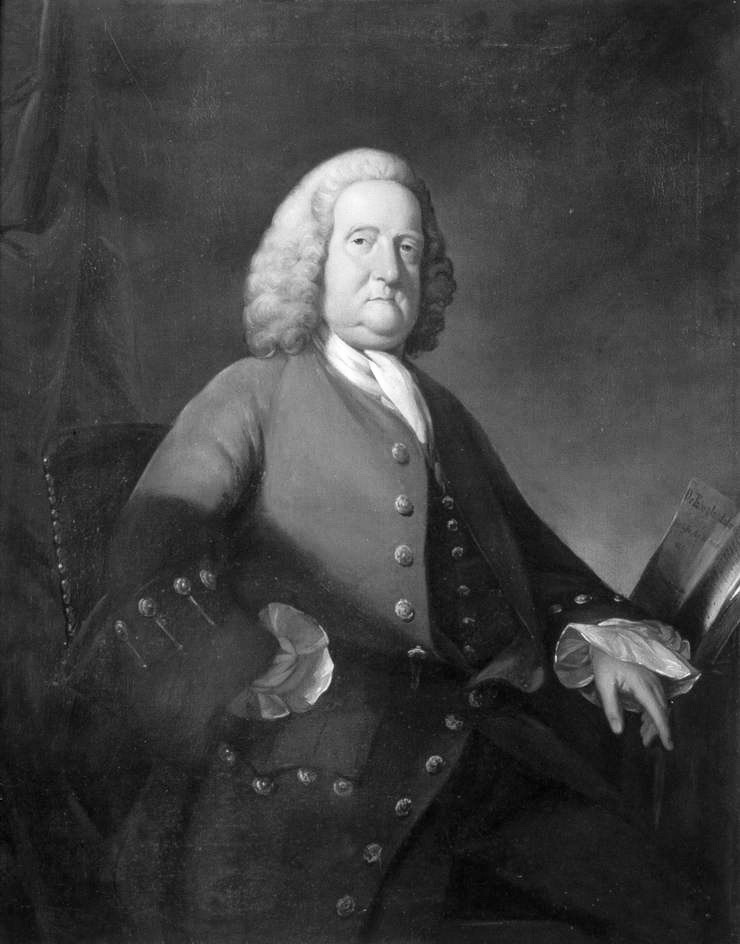
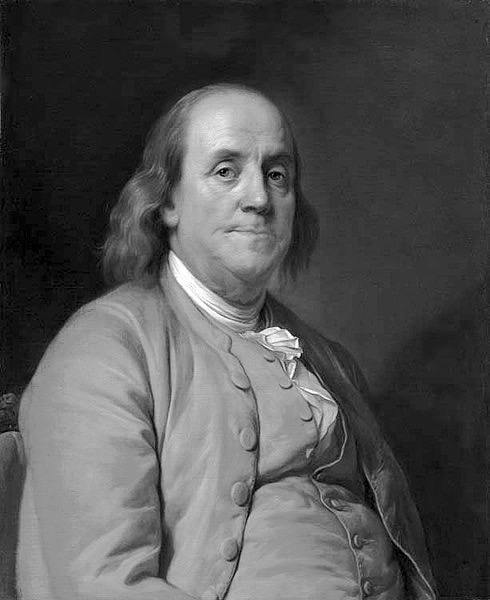
The revival of swimming in the English-speaking world owed much to three Founding Fathers, including Benjamin Franklin. While working in a London printinghouse in his early twenties, Franklin gained such a reputation as a swimmer that he thought briefly of opening a swimming school in the city, rather than returning to the colonies. Think of how that have changed the history of the sport, and of the future America.

Images from SPLASH! #9

Continuing the series of posts from my new book SPLASH!

From Chapter 4:

Two woodcuts from Everard Digby’s 1587 guide De Arte Natandi, or The Art of Swimming. On the left, an example of Digby’s ornamental swimming. On the right, he offers advice on how to pare one’s toenails while floating merrily along. (British Library)

Images from SPLASH! #8

Continuing the series of posts from my new book SPLASH!

From Chapter 3:

The Great Bath at the restored Roman spa at Bath, in England. (Courtesy of author)

Images from SPLASH! #7

Great Palaestra

Continuing the series of posts from my new book SPLASH!


From Chapter 3:

The Great Palaestra at the ruins of Pompeii — larger by far than a football field, with an oversized, sloping swimming pool at its center. The overflow from the pool was used to flush the latrines. (Google Earth)

Images from SPLASH! #6

Continuing the series of posts from my new book SPLASH!

From Chapter 2:

A coin from the late 2nd century, depicting Leander swimming the Hellespont to be with his beloved Hero. His last swim did not go well for either party.

Images from SPLASH! #5

Continuing the series of posts from my new book SPLASH!

This is from Chapter 2, “Swimming’s Golden Age.” The interior of the Tomb of the Diver, circa 470 BCE, discovered at Paestum in the Campania region of Italy. (Credit: courtesy of author.)

Copyright © 2026 Howard Means   •   This site powered by